Picture this.
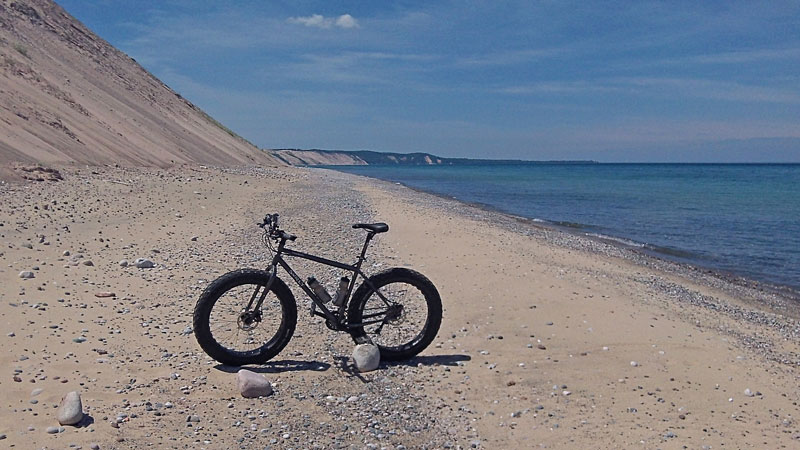
You’re at the beach. The sun is warm. The waves are rolling in. And you’re cruising along the shoreline on a bike with big, wide tires — no struggling, no sinking, just pure fun.
Sounds amazing, doesn’t it?
Well, here’s the good news. If you have a fat tire bike, this isn’t just a fantasy. It’s something you can actually do. And once you try it, you’ll wonder how you ever spent a beach day without one.
But maybe you’re still asking yourself — can you really ride a fat tire bike on the beach? Does it actually work? What about soft sand? What’s the trick?
Let’s break it all down. No complicated words. No filler. Just everything you need to know before your first beach ride.
Can You Really Ride a Fat Tire Bike on the Beach?
Yes. One hundred percent, yes.
Fat tire bikes are built for exactly this kind of terrain. Their oversized, wide tires spread your weight across a much bigger surface area. That keeps the tires from sinking into soft sand — which is the whole problem regular bikes have.
As David Hunger, a fat biking expert and founder of Teton Mountain Bike Tours, puts it: fat bikes don’t just ride on sand. They float on it.
That’s a perfect way to describe it. And it’s exactly why fat tire bikes have become so popular with beach riders all across the country.
That said, beach riding isn’t completely effortless. There are some things you need to know to make it work well. But once you do? It’s one of the most fun ways to explore a coastline. And this guide covers everything.
Why Regular Bikes Struggle in Sand
Before we get into why fat tire bikes work so well, it helps to understand the problem with regular bikes.
When you try to ride a standard bike on soft sand, the thin tires cut right into it. They don’t have enough surface area to stay on top of the sand. Instead, they sink in. You push the pedals harder. You barely move forward. And pretty quickly, you stop completely.
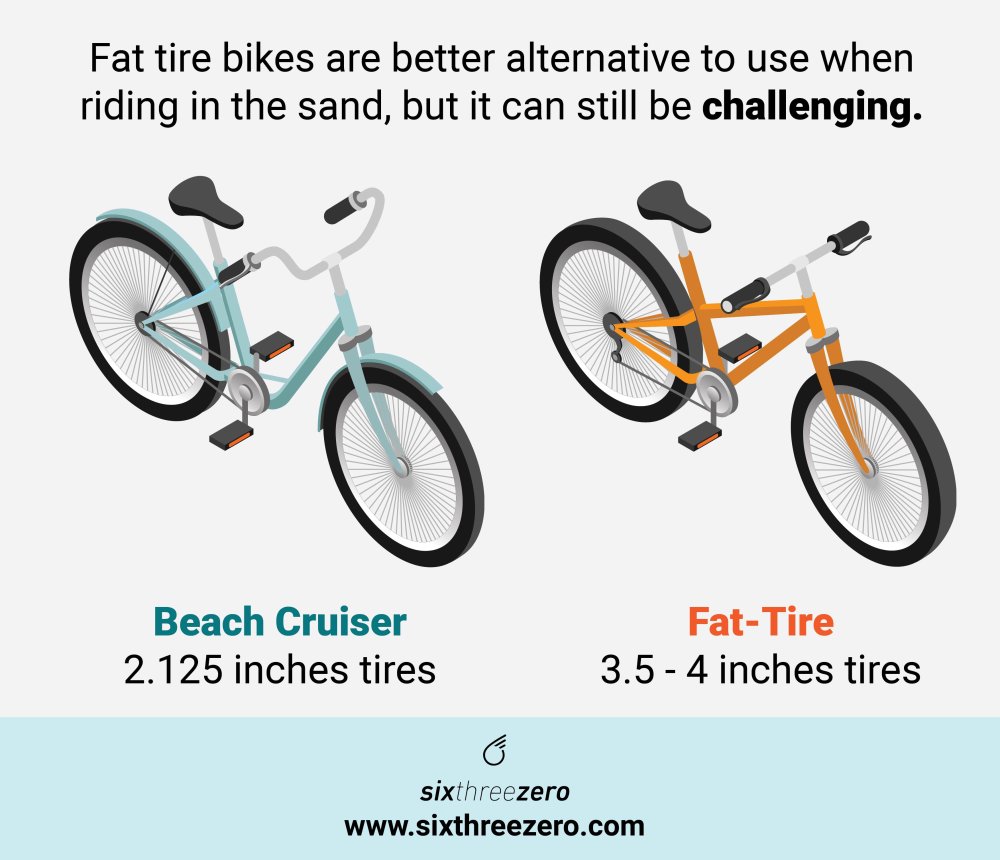
It turns out that even beach cruisers — bikes that sound like they were made for the beach — aren’t really designed for the sand. Most beach cruisers have tires that are only about 2.125 inches wide. They can handle firm, wet sand near the water’s edge. But loose, dry sand? They sink just like any other regular bike.
And that’s the key thing most people miss. There’s a big difference between the two types of sand you’ll find at any beach.
Firm, wet sand near the waterline is fairly compact. It can support a regular bike for a short stretch. But the soft, loose, dry sand further up the beach — that’s a different world. Even fat tire bikes have to work harder there. For regular bikes, it’s basically impossible.
What Makes Fat Tire Bikes Different?
Fat tire bikes have tires that are typically 4 inches wide or more. To put that in perspective, a standard mountain bike tire is usually 2 to 2.5 inches wide. A road bike tire can be less than 1 inch. The difference is dramatic.
That extra width creates what’s called a larger contact patch. That’s just the area of the tire that actually touches the ground at any given moment. More surface area means your weight gets distributed over a bigger area. The pressure on any single point in the sand is much lower. So instead of the tire digging in, it rides on top.
Think about snowshoes. A person wearing regular boots will sink right through deep snow with every step. Put on a pair of wide snowshoes, and you can walk right across the top of that same snow. Fat tire bikes work exactly the same way — on sand instead of snow.
If you want to understand the full picture of what these bikes can do, check out this in-depth guide to fat tire bike benefits. It explains a lot of what makes them such a versatile ride year-round.
How Fat Tires “Float” on Sand (The Simple Science)
Here’s the part that makes fat tire bikes truly special for beach riding: you can actually control how well they handle the sand — just by adjusting the air pressure in your tires.
Regular bike tires are pumped up firm. Road bike tires run at 40 to 65 PSI or even higher. Fat tires, on the other hand, are meant to run at much lower pressure. And that’s a good thing.
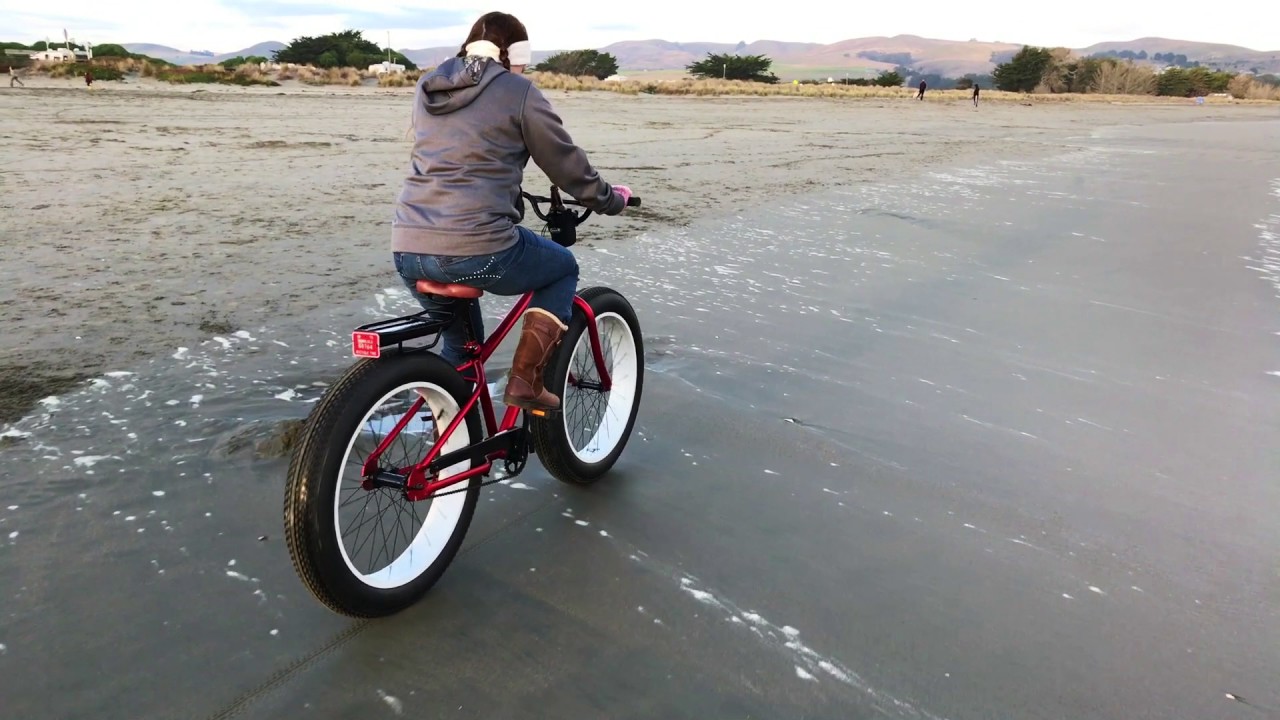
When you lower the air pressure in a fat tire, the tire spreads out and flattens slightly at the bottom. The contact patch gets even bigger. More tire is touching the sand. Weight is distributed even more broadly. The result? The tire floats rather than sinks.
It’s a simple concept. But the real-world difference it makes is huge. Riders who have tried beach riding with too much tire pressure and then dropped it down properly say it feels like riding a completely different bike.
Getting the Tire Pressure Right: The Most Important Step
If you take one thing away from this entire guide, let it be this: tire pressure is everything for beach riding.
This is the single biggest factor separating a great beach ride from a painful, exhausting one. Get the pressure right, and riding on sand feels manageable and fun. Get it wrong, and you’ll be pushing your bike more than riding it.
Experienced beach riders typically run their tires between 4 and 6 PSI for pure sand riding. If the whole ride is on sand, they’ll go down toward 4 PSI. If they’re mixing road and beach riding, they’ll stay closer to 5 or 6 PSI to avoid handling problems on harder surfaces.
For 4-inch fat tires specifically, dropping to 5 to 8 PSI dramatically reduces the pressure on the sand surface and allows the tire to float instead of dig in.
Here’s a simple pressure guide to keep handy:
| Sand Condition | Recommended PSI |
| Soft, dry sand (away from water) | 4 – 6 PSI |
| Firm, wet sand (near waterline) | 8 – 12 PSI |
| Mixed beach and road riding | 5 – 8 PSI |
One important tip: always bring a small hand pump with you. When you finish on the beach and head back to pavement or trail, you’ll need to pump those tires back up. Riding on super-low pressure on hard surfaces feels strange, and over time it can stress your rims.
When and Where to Ride on the Beach
Choosing the right time and spot makes a massive difference in how your ride feels. Here’s what experienced beach riders know:
Ride at Low Tide
This is probably the most valuable tip you’ll get. Low tide exposes the widest stretch of hard-packed, wet sand — and that’s the easiest surface to ride on. When the tide is high, you get pushed up toward softer, looser sand, which is much harder work.
Check the tide chart for your beach before you leave home. The same beach on the same bike can feel completely different depending on whether you catch it at low tide or high tide.
Stay Near the Waterline
The wet sand closest to the waves is the firmest, most compact sand on any beach. That’s your sweet spot. Aim to keep your tires in that zone as much as possible. Just keep an eye on incoming waves — a surprise wave catching your rear wheel isn’t a fun experience.
Avoid the Deep Dry Sand
Even fat tire bikes struggle in the deep, loose, fluffy sand up near the dunes. It’s exhausting to ride through and not particularly enjoyable. Stick to the firmer sand near the water. If you need to cross the dry sand to reach the waterline, just push your bike through it.
Aim for Early Morning or Late Afternoon
Beach conditions tend to be better at quieter times. Fewer people around means more freedom to ride and less need to navigate around walkers, kids, and beach umbrellas. For more thoughts on timing your rides right, this article on the best time to go for a bike ride has some useful pointers.
Credit: www.sixthreezero.com
Beach Riding Rules: What You Need to Know Before You Go
Here’s something that catches a lot of people off guard: bikes aren’t always allowed on beaches.
Beach regulations vary a huge amount depending on where you are. Some beaches are wide open for fat tire bikes year-round. Others restrict riding to specific hours, certain seasons, or designated zones. Some beaches ban bikes completely during peak summer months to protect beachgoers and nesting wildlife.
What you need to know by region:
- Florida: Beaches like Daytona Beach have a long history of allowing vehicles — including bikes — on the hard-packed sand. Florida beaches tend to be some of the most bike-friendly in the country.
- California: Most California beaches restrict bikes to designated paths. Riding on dunes or soft sand areas is usually not allowed.
- Oregon: Traditional non-motorized fat tire bikes are allowed on most Oregon beaches, but e-bikes with motors may face restrictions depending on classification.
- National Parks: Rules vary. Cape Cod National Seashore allows bikes where traditional bikes are permitted, but many other parks have specific restrictions.
The safest move is simple: look it up before you go. Check the official website for the beach you’re visiting, or call the local parks department. A five-minute search can save you from a fine or an embarrassing confrontation with a ranger.
Pro Tips for Riding a Fat Tire Bike on the Beach
Ready to hit the sand? These tips will make your ride much more enjoyable from the start.
- Drop your tire pressure before you reach the beach. Do this in the parking lot, not once you’re already on sand. Adjusting your pressure mid-ride is annoying and slows you down.
- Shift into a lower gear. Sand creates more resistance than pavement or trail. Lower gears help you keep a steady pedaling rhythm without burning yourself out in the first five minutes.
- Keep your momentum steady. Once you slow down too much on soft sand, getting going again takes a lot of effort. Find a comfortable pace and try to keep it consistent.
- Make wide, gradual turns. Sharp turns cause your front tire to push and dig into the sand. Think big, sweeping arcs instead of quick direction changes.
- Shift your weight slightly back. Keeping a little more weight toward the rear helps your front wheel float rather than plow into the sand.
- Don’t fight the wobble. Sand is unpredictable. If your bike starts to move around under you, relax your grip slightly and let the bike find its balance. Tensing up almost always makes it worse.
- Ride in the other tire tracks when possible. Sand that’s been compressed by a tire is firmer than undisturbed sand. Riding in someone else’s track line gives you a slightly easier path.
- Bring water. Beach riding is harder work than it looks. The extra effort burns more energy, especially in warm weather. Stay hydrated.
How to Take Care of Your Bike After a Beach Ride
This is the step most riders skip — and it’s a mistake that costs them later.
Sand and salt are hard on bikes. Salt accelerates rust and corrosion on metal parts. Fine sand particles work their way into chains, gears, and brake components and act like sandpaper over time. Ignore post-ride care, and your bike will wear out much faster than it should.
Here’s what to do after every beach ride:
- Rinse the whole bike with fresh water: A garden hose works perfectly. Use a gentle flow — avoid high-pressure washing, which can push water into the bearings and sealed parts you want to keep dry.
- Scrub the drivetrain: The chain, cassette, and derailleurs catch the most sand. Use a soft brush and warm water to get into all the moving parts.
- Dry it off completely: Let the bike air dry in a spot with good airflow, then wipe down the frame and components with a clean cloth. Don’t let water sit in crevices.
- Apply fresh chain lube: Rinsing removes the old lube along with the salt and sand. A fresh coat of lubricant protects the chain and keeps everything running smoothly.
- Inspect the tires: Run your fingers around the tread on both tires and remove any embedded bits of shell, glass, or pebble. Small debris that gets left in the tread can work its way through the tire over time.
If you’re riding on the beach regularly, protecting your bike’s frame from salt spray is worth thinking about. A good set of fenders for your fat tire bike can cut down on how much spray hits the frame and components — which means less cleaning work and a longer lifespan for your bike.
Five extra minutes after a ride keeps your bike in great shape for many more rides to come.
Fat Tire Bike vs. Regular Bike on the Beach: A Quick Comparison
Still on the fence about whether a fat tire bike is the right choice? Here’s the honest side-by-side comparison:
| Feature | Fat Tire Bike | Regular Bike |
| Tire width | 4 inches or more | 1 to 2.5 inches |
| Tire pressure range | 4 to 12 PSI on sand | Cannot go low enough |
| Handles soft sand? | Yes | No |
| Handles firm wet sand? | Yes | Sometimes |
| Stays on top of the sand? | Yes | No — sinks quickly |
| Great for beach riding? | Absolutely | Very frustrating |
The difference is clear. For actual beach riding on real sand, a fat tire bike is the only bike that makes it genuinely fun. Regular bikes are better off sticking to the boardwalk.
If you’re wondering whether you could just put fat tires on your current bike instead of buying a dedicated fat bike, that’s worth exploring. This guide on fitting fat tires to a regular bike explains what’s actually possible and what the limitations are.
Frequently Asked Questions
1. Can you ride a regular bike on the beach?
You can ride a regular bike on firm, wet sand near the waterline — but only just. The moment you move into looser sand, a regular bike sinks almost immediately, turning what should be a fun ride into a frustrating push. If beach riding is something you want to do properly, a fat tire bike is the right tool.
2. What tire pressure should I use for riding on beach sand?
For soft, dry sand, aim for 4 to 6 PSI. For firmer sand near the water, 8 to 12 PSI works well. The key rule: the softer the sand, the lower the pressure. Always bring a hand pump so you can re-inflate when you return to the road.
3. Is it difficult to ride a fat tire bike on the beach?
It’s harder than riding on pavement — your legs will feel the extra resistance, especially in loose sand. But it gets easier with practice. Stick to low tide, ride near the waterline, and keep your tire pressure low, and you’ll find it much more manageable. Many riders describe beach riding as a surprisingly satisfying workout.
4. Are bikes allowed on all beaches?
No. Beach regulations vary widely by location, season, and time of day. Some beaches are completely open to bikes year-round. Others restrict them to certain hours or zones. And some ban bikes during nesting seasons or peak summer months. Always check local rules before heading out — a quick search online is all it takes.
5. Does saltwater damage a fat tire bike?
Yes, salt exposure speeds up corrosion on metal parts, chains, and electrical components. The good news is that proper post-ride care prevents most of the damage. Rinse your bike with fresh water after every beach ride, scrub the chain and gears, dry it thoroughly, and apply chain lube. Do that consistently and your bike will last just fine.
Final Thoughts
So — can you ride a fat tire bike on the beach?
Absolutely. And you really should.
It’s one of those experiences that feels genuinely different from any other type of riding. The open space, the sound of waves, the salt air, and the feeling of rolling along the shoreline on wide, floaty tires — it’s hard to describe until you’ve done it yourself.
The keys are simple. Lower your tire pressure before you hit the sand. Time your ride around low tide. Stick near the waterline where the sand is firm. And rinse your bike off when you get back home.
Do those things, and you’ll have a ride you want to repeat every time you’re near the coast. The beach was always beautiful. A fat tire bike just makes it a whole lot more fun to explore.