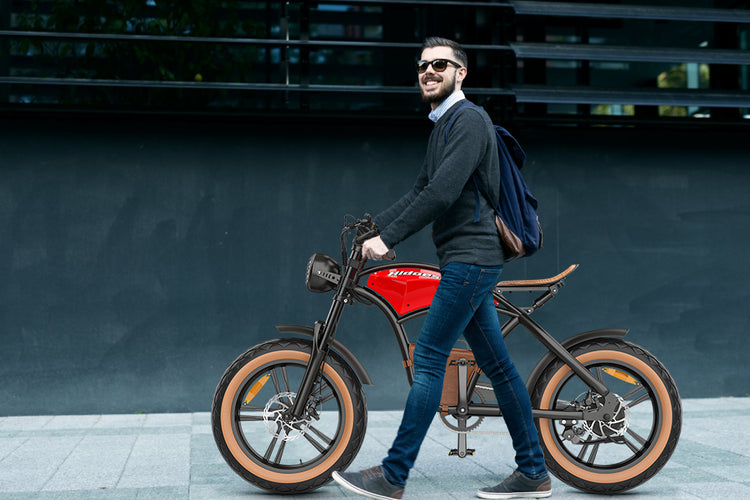
You’ve been considering buying an e-bike. Maybe for your commute. Possibly for weekend rides, or maybe just to finally stop fighting traffic every morning.
But before you pull out your wallet, there’s one question worth asking: are you shopping at the right time?
Because timing your e-bike purchase can be the difference between paying full price and saving hundreds of dollars. The e-bike market runs on a predictable rhythm — one that savvy shoppers know how to use to their advantage.
This guide breaks down everything you need to know. By the end, you’ll know exactly when is the best time to buy an e bike, when to wait, and how to get the most value for your money.
How E-Bike Prices Change Throughout the Year
Before we get to specific dates, it helps to understand why prices change.
The e-bike market works a lot like the car industry. New models are announced at major trade shows — like Sea Otter Classic in April and Eurobike in June — and they hit store shelves in the spring. That creates a chain reaction that affects prices all year long.
Here’s the simple version:
When the weather is warm and people want to ride, demand goes up. High demand means fewer discounts. When the weather cools and people stay inside, demand drops. Low demand means retailers start cutting prices to move inventory.
On top of that, retailers need to clear out the previous year’s models to make room for new arrivals. So by fall, you’ve got a double reason for prices to drop: less demand and an inventory clearance push.
That’s the foundation. Now let’s look at each season.
Spring (March to May): Great Selection, Full Price
Spring is peak buying season. The trails are calling, the roads are clear, and everyone suddenly wants to get outside.
Manufacturers stock up with their freshest models. Bike shops are fully loaded. You’ll find the best variety of sizes, colors, and styles — and you can actually test-ride multiple options before deciding.
But here’s the catch: you’ll pay full price. Discounts in spring are rare. Retailers don’t need to offer deals when demand is already high.
If you need the very latest model with the newest features, spring is your window. If saving money matters more, keep reading.
Summer (June to August): Highest Prices of the Year
Summer is the peak of peak season. August is historically the most expensive month to buy an e-bike. Demand is at its absolute highest, and retailers have no reason to discount.
The one exception? Amazon Prime Day in July. This annual event typically brings solid discounts on e-bikes sold through Amazon and from direct-to-consumer brands. It’s not Black Friday-level savings, but it’s one of the better opportunities during the warm months.
If you find a good Prime Day deal on a model you’ve already researched, it can be worth taking.
Fall (September to October): The Hidden Sweet Spot
This is where things get interesting.
As summer ends, a few things happen at once. New models for the upcoming year get announced. Retailers start to feel the pressure of existing inventory. And shoppers start thinking less about riding and more about holiday shopping.
The result? You start seeing real discounts — typically 20 to 40% off on current-year models — while there’s still good selection available. You might not find every color or size, but you’ll have plenty to choose from.
October through mid-November is what many buyers call the sweet spot. You get meaningful savings and a solid range of options. It’s arguably the best balance point of the entire year.
Black Friday and Cyber Monday: The Biggest E-Bike Sale of the Year
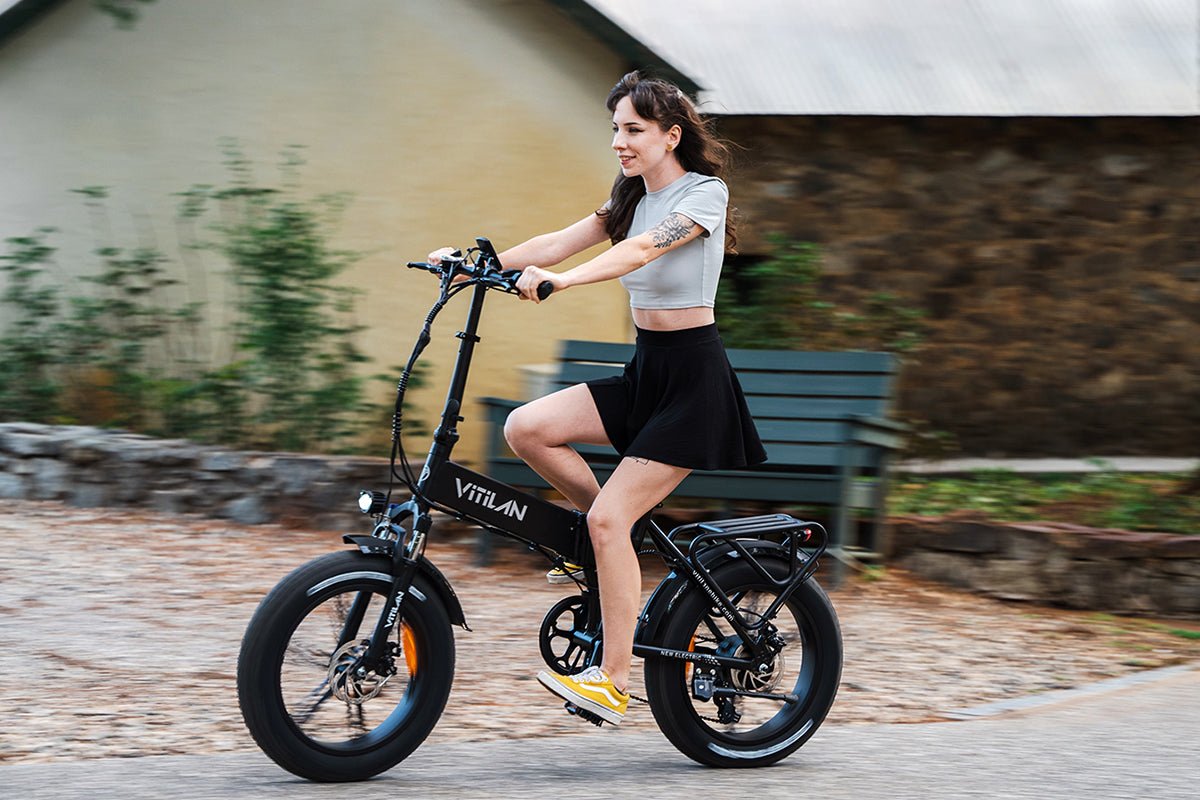
If you want the single lowest price of the year, mark your calendar for Black Friday and Cyber Monday in November.
This is consistently the most aggressive sale period for e-bikes. Discounts can range from 20% to 40% off regular prices. On a premium e-bike that normally costs $2,000 to $3,000, that can mean $500 to $1,200 in savings.
Major brands run coordinated promotions. Online retailers compete hard. Even local bike shops often join in.
To make the most of Black Friday:
- Research the model you want before November. Know the regular price so you can spot a real deal versus a fake markdown.
- Sign up for email newsletters from your target brands in October. Many offer early access or exclusive deals to subscribers.
- Check the brand’s website directly, not just Amazon. Many direct-to-consumer brands offer their deepest discounts on their own site.
- Be ready to act fast. Popular models in popular sizes can sell out quickly during major sales.
Other Sale Events Worth Watching
Black Friday isn’t the only game in town. Here are other dates to keep an eye on:
Labor Day (September):
This is the official start of the end-of-season period. Some brands run Labor Day sales as an early preview of their fall clearance. If you see a good deal, it’s worth considering — prices will likely get better through November, but popular models may sell out.
Christmas and New Year’s (December to January):
Deals continue through the holiday season. Some can match Black Friday pricing. The risk here is that popular models may already be out of stock or face shipping delays if you need it for the holidays.
President’s Day (February):
Often overlooked, but three-day weekend holidays frequently trigger store-wide sales. By February, retailers are really motivated to clear winter inventory.
End-of-Season Clearance (September to January):
When riding season winds down, many brands want to sell remaining stock. This isn’t a single event — it’s an ongoing period when prices drop steadily as inventory thins out.
Winter (January to February): Deepest Discounts, Fewest Choices
January and February offer some of the steepest discounts of the year — sometimes up to 50% off on remaining models. Retailers are in full clearance mode, motivated to move anything left before spring orders arrive.
The tradeoff? Selection is at its worst. Your size, preferred color, or specific model may already be gone. If you’re flexible and just want the most savings possible, winter can be a great window. If you have specific requirements, you may end up settling.
New Model vs. Last Year’s Model: Does It Really Matter?
Here’s one of the best-kept secrets in e-bike buying: year-over-year changes are usually tiny.
Most manufacturers update their lineup with minor tweaks — a slightly different tire brand, an updated saddle, a fresh paint color. The actual performance — motor power, battery capacity, range, braking — stays essentially the same.
This means a previous year’s model at 30% off almost always beats the current year’s model at full price. You get the same ride quality at a fraction of the cost.
If you’re a specs enthusiast who wants the absolute latest tech, buy in early spring when new models arrive. For everyone else, buying a prior-year model during fall clearance is one of the smartest moves you can make.
Should You Buy New or Used?
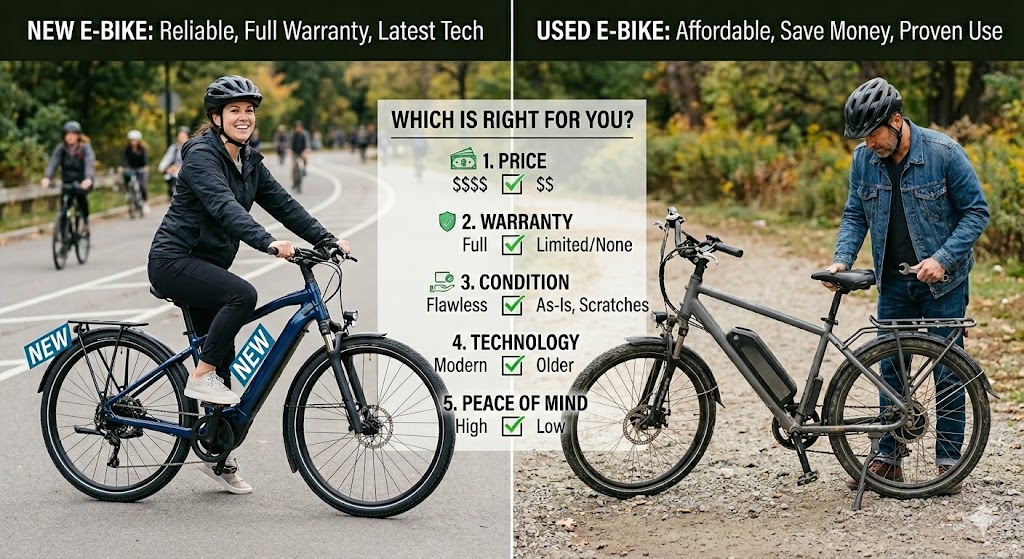
Both have their place, but here’s what to know.
New e-bikes come with a full manufacturer’s warranty, the assurance of a fresh battery, and eligibility for any state or local rebate programs. You also get peace of mind — no wondering if the previous owner beat it up.
Used e-bikes can offer significant savings. Certified pre-owned bikes from reputable resellers often come inspected and warrantied, with many being customer returns with minimal wear.
One important note: most tax credit and rebate programs require a new purchase. If there’s an active incentive in your state, that changes the math on buying used.
If you’re considering a used e-bike, buy from a trusted, reputable source — not a random online listing — and verify battery health before committing.
E-Bike Tax Credits and Rebates: A Bonus Worth Knowing About
Right now, there is no active federal tax credit for e-bike purchases. The proposed E-BIKE Act, which would offer a 30% refundable tax credit up to $1,500 on bikes under $8,000, has been reintroduced in Congress but has not passed into law as of 2026.
That said, state and local programs are alive and worth checking. Colorado, for example, has an active statewide retailer-based credit that passes savings directly to buyers at the point of sale. Washington D.C. and some other cities offer rebates of up to $2,000 for qualifying income-eligible residents.
Rules vary widely by location — eligible bike classes, motor wattage limits, income thresholds, and participating retailers all differ. Check your state’s clean energy office or local transportation department before you buy.
If a rebate is available in your area, timing your purchase to align with it can stack significant additional savings on top of seasonal discounts.
What Type of E-Bike Are You Buying? (Does Timing Change?)
The seasonal pricing cycle applies across all types of e-bikes, but your ideal timing might shift depending on what you’re shopping for.
Commuter e-bikes are among the most popular and sell in higher volumes, so deals tend to be widely available during all the major sale windows. If you’re hunting for a quality daily rider, Black Friday and fall clearance are your best bets.
Fat tire e-bikes are loved for their stability and versatility — they handle sand, snow, gravel, and everything in between. Because they’re popular for year-round riding, demand stays more consistent. That said, you can still find solid deals during the fall period. If you’re curious about what makes fat tire bikes worth it, there’s a detailed breakdown of the real benefits of fat tires on a bicycle worth reading before you shop.
Mountain and off-road e-bikes tend to follow the same seasonal pattern as commuters. Fall is still your best window.
Compact and folding e-bikes are increasingly popular for urban riders and apartment dwellers. If you’ve been on the fence about a smaller model, you might be surprised by what’s available — a closer look at whether small electric bikes are actually worth it can help you decide before hunting for a deal.
Electric trikes are worth mentioning too, especially for riders who want extra stability. They follow the same pricing cycle as standard e-bikes — and if you’re curious about what performance looks like at the top end, this breakdown of the fastest electric trikes gives you a useful benchmark.
8 Smart Tips to Get the Best E-Bike Deal
Knowing the best time to buy an e bike is only part of the equation. Here’s how to make sure you actually get the best price:
- Research before the sale hits. Know the regular price of your target model. When Black Friday arrives, you’ll immediately know if a “discount” is real or just marketing.
- Sign up for brand newsletters in October. Many companies give subscribers early access to sales, exclusive promo codes, and first notice of new deals.
- Follow brands on social media. Instagram and Facebook are often where flash sales and limited-time promo codes appear — sometimes before they’re on the main website.
- Bookmark clearance and outlet pages. Most e-bike websites have a dedicated sale, clearance, or outlet section. Check these pages weekly during the fall and winter.
- Use browser extensions. Tools like Honey or Rakuten can automatically apply coupon codes at checkout. They don’t always find something, but they take two seconds and sometimes surprise you.
- Check r/ebikes on Reddit. Real owners share working discount codes, sale alerts, and buying experiences constantly. It’s one of the most useful free resources available.
- Don’t ignore local bike shops. Local shops often run their own clearance sales at the end of the season, and there’s sometimes room to negotiate — especially on floor models.
- Think about total cost, not just price. A cheap e-bike with a poor warranty or no local service support can cost you more in the long run. Factor in the battery, accessories, and maintenance. A good e-bike battery is a significant part of the equation — don’t overlook it when comparing deals.
Mistakes to Avoid When Timing Your Purchase
A few common traps can eat into your savings:
- Buying in peak season (April to June): Unless you have a specific, time-sensitive need, buying during spring almost always means overpaying. Prices are at their highest and deals are at their rarest.
- Buying right after a new model is announced: When a brand announces a shiny new model, the first wave of buyers pays full price for incremental improvements. Wait a few months and you’ll often see the previous version at a steep discount.
- Ignoring warranty and return policies: A sale price isn’t a deal if the brand has a poor warranty or won’t support the product after six months. Always check the warranty terms before you buy.
- Overlooking security costs: A quality e-bike is a significant investment. After you buy, you’ll want a solid lock — especially for fat tire models. Don’t forget to budget for that. Good bike lock options for fat tire e-bikes are worth researching before your first ride.
- Assuming every sale is real: Not every “20% off” label reflects a genuine discount. Do your homework on regular pricing so you know when a deal is actually worth it.
Frequently Asked Questions (FAQs)
Q1: What is the single best month to buy an e-bike?
November is the best month for the lowest prices, thanks to Black Friday and Cyber Monday deals — with discounts typically running 20–40% off. If you miss November, March also sees historically low prices as retailers push end-of-winter inventory to make room for spring stock.
Q2: Is it better to buy an e-bike in winter or spring?
Winter is better for price. Spring is better for selection and getting the latest models. If saving money is your priority, buy in winter. If you want the newest tech and full size availability, buy in spring — just expect to pay full price.
Q3: Do e-bikes go on sale on Black Friday?
Yes — Black Friday is the biggest e-bike sale event of the year. Most major brands and retailers run significant promotions, with discounts ranging from 20% to 40% off. Some premium models can see savings of $500 or more. Signing up for brand newsletters before November is the best way to catch the best deals early.
Q4: Should I buy a new or used e-bike?
It depends on your budget and priorities. New e-bikes come with warranties and are eligible for state rebate programs. Used bikes from reputable certified resellers can offer significant savings, but make sure to verify battery health and warranty coverage before purchasing.
Q5: Are there any government rebates or tax credits for e-bikes?
There is no active federal tax credit for e-bikes as of 2026 — the E-BIKE Act is still pending in Congress. However, several states and cities offer their own rebate programs. Colorado, Washington D.C., Connecticut, and others have active incentives. Check your local government’s clean energy or transportation office for current programs in your area.
The Bottom Line: When Should You Buy?
Here’s the short version:
- Best overall window for savings: October through February (off-season)
- Best single event: Black Friday / Cyber Monday (November)
- Best balance of deals and selection: October through mid-November
- Best time for new models: March through May (spring)
- Good mid-year deal opportunity: Amazon Prime Day (July)
- Avoid (highest prices): April through August
Your perfect timing depends on your priorities. If getting the lowest possible price is the goal, wait for Black Friday or shop late fall. If you want the newest model to ride immediately, spring is your window. If you’re flexible on model year and color, late fall clearance can get you a premium bike at a mid-range price.
The e-bike market is more competitive and better stocked than ever right now. There has never been a better time to be a smart buyer — as long as you know when to shop.