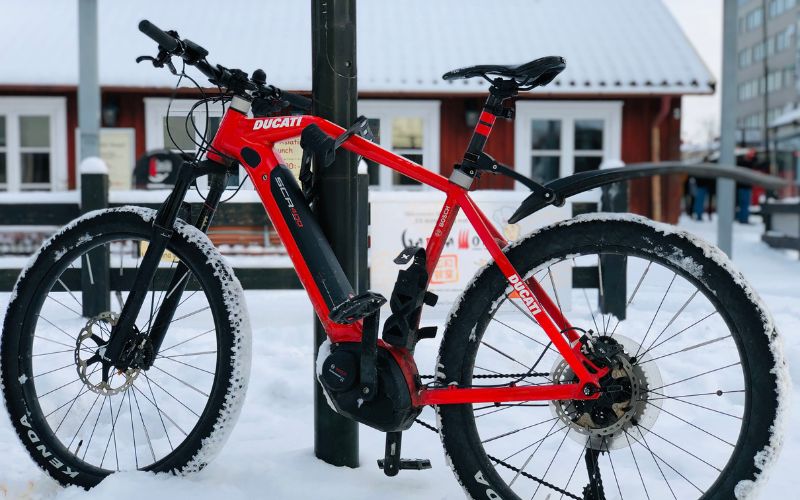
Winter’s here. Your electric bike is sitting in the driveway. And you’re wondering: should I bring it inside, or is it fine out there?
The short answer? It depends. But mostly, no—you shouldn’t leave your e-bike outside in winter for extended periods.
Here’s the thing: electric bikes aren’t like regular bikes. They’ve got delicate electrical components, sensitive batteries, and technology that doesn’t play nice with freezing temperatures and moisture. Leave your e-bike exposed to winter weather, and you’re basically asking for trouble.
In this guide, we’ll walk through everything you need to know about storing your electric bike during winter. You’ll learn why cold weather matters so much, what happens to your battery, and exactly how to protect your investment so it’s ready to ride when spring arrives.
Can You Leave an Electric Bike Outside in Winter?
The honest truth: you shouldn’t leave your electric bike outside in winter for long-term storage.
While your e-bike’s frame and basic components can tolerate cold temperatures, the battery and electronics are the real problem. Electric bikes should not be left outdoors in the elements without some protective covering; eventually dew and moisture will get into electrical components if they are left outside.
If you absolutely must leave your e-bike outside temporarily—say, during your work day—remove the battery and bring it inside. Use a quality bike cover to protect the frame and electronics from moisture and road salt.
But for winter storage lasting weeks or months? Get it inside. Your e-bike will thank you.
Why Winter Weather Is Tough on Electric Bikes
Winter doesn’t just make riding uncomfortable. It actually attacks your electric bike from multiple angles.
Moisture and Corrosion
Rain, sleet, snow, and ice create moisture that creeps into electrical connections. Salt on winter roads accelerates rust and corrosion. These aren’t minor cosmetic issues—moisture in electrical contacts can cause shorts, connection failures, and permanent damage.
Temperature Swings
When your bike sits outside, the temperature rises and falls throughout the day. This creates condensation inside the battery housing and controller. When you bring a frozen battery inside to a warm room, water droplets form on cold surfaces. This is called flash condensation, and it can damage battery internals.
Road Salt and Chemicals
Winter roads get treated with salt and other de-icing chemicals. These substances are incredibly corrosive to metal components. If your bike is parked outside, salt spray will land on the frame, chain, brake components, and electrical connections.
Wind and Mechanical Stress
Winter weather brings stronger winds. Your parked bike experiences vibration and mechanical stress that can loosen fasteners and damage components over time.

Credit: www.aventon.com
How Cold Affects E-Bike Batteries
This is where things get serious. At temperatures below freezing, the range can drop by up to 30 percent. But that’s just the beginning.
The Chemistry Behind Battery Performance Loss
Inside your e-bike’s lithium-ion battery, chemical reactions create electrical energy. These reactions are temperature-sensitive. When it’s cold, the reactions slow down dramatically.
Think of it like trying to swim through water on a warm day versus swimming through thick honey on a cold day. The lithium ions inside the battery move slower, creating more internal resistance. This means less power delivery and shorter range.
Expected Range Loss in Winter
Here’s what you can realistically expect:
- At 50°F (10°C): 10-20% range loss
- At 32°F (0°C): 20-30% range loss
- Below 0°F (-18°C): 40-50% range loss or more
Expect a ebike battery range loss winter average of 20% to 40%. A bike that normally gives you 50 miles might only give you 30 miles in freezing temperatures.
The Dangerous Part: Charging in Cold
Here’s what most people don’t realize: riding your e-bike in cold weather is okay. Charging it in the cold is dangerous.
In freezing charging conditions, lithium ions get lost navigating their way to “work” within the graphite anode. Instead of intercalating, these ions end up plating the surface of the anode. Charging in freezing temps can cause plating, which reduces battery capacity and increases resistance.
This process is called lithium plating, and it’s permanent. Even if you only charge your battery once in freezing conditions, you can damage it irreversibly.
You must never charge a lithium-ion battery if the temperature is below 32°F (0°C).
Battery Storage Best Practices
If you’re storing your e-bike for winter and won’t be riding, your battery needs special care.
Ideal Storage Temperature
Store your battery indoors at a steady temperature. Anywhere in your home that stays between 55-77 degrees is optimal for your battery’s health.
Room temperature (around 70°F) is perfect. Basements and unheated garages are too cold. If your garage drops below freezing, bring the battery inside.
Optimal Charge Level
This surprises people: don’t store your battery fully charged or completely empty.
The optimal storage charge is typically between 40% and 60% of total capacity. This range minimizes internal stress and provides enough reserve power to last through the winter without dropping to dangerous levels.
If your battery display shows percentage, aim for 50%. If it shows bars (usually 5), aim for 2-3 bars.
Why this range? A fully charged battery stresses the cells from overcharge. A fully depleted battery risks deep discharge, which can cause permanent damage or make the battery unrecoverable.
Monthly Check-Ins
Batteries naturally lose charge over time, even when sitting idle. Set a calendar reminder to check the battery’s charge level once every 4 to 8 weeks. If the charge has dropped below 40%, plug it in and bring it back up to that 60% storage mark.
This takes five minutes but can save your battery from deep discharge.
Cleaning Battery Contacts
Before storing your battery, clean the contacts where it connects to your bike. Use a dry, soft cloth or a cotton swab lightly dampened with rubbing alcohol (IPA) to clean the metal terminals on both the battery and the bike’s cradle. Ensure the contacts are completely dry before reattaching the battery to check the charge or storing it.
Dirty contacts cause connection problems and can prevent proper charging when spring arrives.
Preparing Your E-Bike for Winter Storage
Before you park your e-bike for the winter, give it some love.
Step 1: Deep Clean
Start with a thorough cleaning. Use lukewarm water and a soft sponge to wash off dirt, mud, and road grime. Be gentle around electrical components and connections.
Dry everything completely with a cloth. Pay special attention to the motor area, battery contacts, and any exposed wiring.
Step 2: Lubricate the Chain
A dry, rusty chain is waiting to happen. Apply a quality bike chain lubricant and rotate the pedals to distribute it evenly.
Use a lubricant designed for winter conditions—something that won’t wash off in snow and slush. A light coat is better than overdoing it.
Step 3: Inspect and Tighten Everything
Walk through your bike systematically:
- Check that all bolts and fasteners are tight
- Inspect brake pads for wear
- Check tire pressure (but keep tires slightly under-inflated for storage to reduce pressure on the sidewalls)
- Look for any visible damage, cracks, or bent components
- Make sure all electrical connections are secure
Step 4: Store in the Right Location
Choose a dry, cool space. A basement, indoor shed, or climate-controlled garage is ideal.
If you must store in a cold garage, bring the battery inside to your home where it stays warm.
Avoid spaces that experience temperature swings, high humidity, or moisture. Never store near water heaters, furnaces, or other heat sources that create condensation.
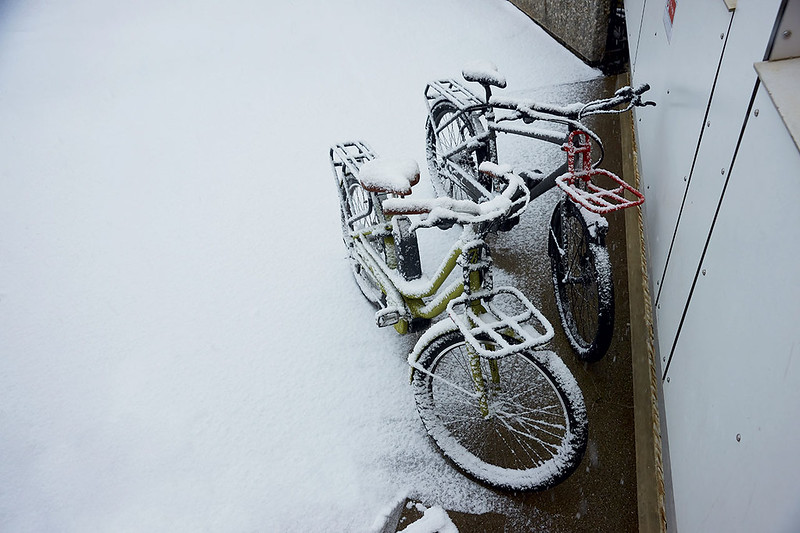
Step 5: Use a Bike Cover
If your space allows, use a breathable bike cover. This protects against dust and prevents accidental damage. Don’t use plastic covers that trap moisture—use breathable fabric instead.
Credit: electricbikeplace.com
Temporary Winter Outdoor Storage (If You Must)
Sometimes you don’t have a choice. Maybe you’re commuting and parking at work. Maybe your living situation doesn’t allow indoor storage.
If you must leave your e-bike outside temporarily:
Remove the Battery
If you must leave the bike assembled outside temporarily (like during your work day), remove the battery and take it inside.
This single step makes the biggest difference. Your bike frame can handle cold. Your battery cannot. To ensure optimal performance and maximize the lifespan of your e-bike battery in winter, here is some essential E-Bike battery care tips.
Use a Quality Bike Cover
Use a bike cover to protect electronics from moisture and salt spray from winter roads.
Get a cover that’s weatherproof and durable. It should protect against rain, snow, and wind while allowing some air circulation to prevent moisture buildup.
Park Smart
Choose a sheltered location if possible—under an eave, overhang, or carport. Avoid areas where water pools or where salt spray from roads directly hits your bike.
Wipe Down When You Return
After riding or parking outside, wipe down your bike to remove salt and moisture. Pay special attention to the battery area, motor, and electrical connections.
Don’t Charge Immediately
If your battery is cold from sitting outside, don’t plug it in right away.
Before you do anything, let the battery warm up. If you just brought your battery in from a cold ride, it will feel cold. Plugging it in to charge right away is a big mistake that can cause the lithium plating we talked about earlier. Let the battery sit at room temperature for several hours until it warms up completely.
This waiting period is critical for battery longevity.
Winter Riding vs. Winter Storage
Maybe you don’t want to pack away your e-bike. Maybe you want to ride through winter.
That’s totally possible—but it requires different care than storage.
Battery Warm-Up Before Riding
If your battery has been sitting outside or in a cold space, warm it up before riding. Bring the battery inside for 30-60 minutes before your ride so it reaches room temperature.
A cold battery won’t perform well and risks damage if you put heavy demands on it immediately.
Shorter Range Planning
In cold weather, you can expect a 10% to 40% reduction in your e-bike’s total range.
Plan your routes conservatively. If you normally ride 40 miles, assume only 25-30 miles in freezing temperatures. Add safety margin by not relying on every last bit of battery capacity.
Use Lower Assist Levels
When you ride home on a cold battery, use the lowest assist level you can manage. This reduces current draw and decreases the risk of voltage drops that can occur when cold batteries are stressed.
Your motor works harder in cold weather because the battery struggles to deliver power. Using lower assist reduces this strain.
Stay Safe on Snow and Ice
Don’t ride in conditions you can’t handle. We definitely don’t recommend riding in deep snow or on icy roads. If you decide to go out in the snow, make sure you do so in the daytime when the snow is not too deep and there is absolutely NO ice.
Fat tire e-bikes handle snow better than regular e-bikes, but ice is dangerous for any bike.
Post-Ride Battery Care
After riding in cold weather, bring your battery inside and let it warm up before charging. Remember to let the battery warm before charging when you get home.
This simple step prevents damage and extends battery life.
Getting Your E-Bike Ready After Winter
Spring finally arrives. Time to wake up your e-bike.
The Battery Wake-Up Process
Don’t just throw the battery back in and start riding. Give it some attention first.
Inspect the battery case for any damage. Check that contacts are clean. If there’s any visible corrosion, gently clean it with a dry cloth or IPA.
Charge the battery fully before your first ride. Let it sit at room temperature while charging.
Full Bike Inspection
Before you take your first spring ride, do a complete check:
- Tires: Check pressure and look for cracks or flat spots from winter storage
- Brakes: Squeeze the levers to make sure brakes respond
- Chain: Look for rust or stiff links
- Bolts: Go through your bike and tighten anything that’s loose
- Motor: Test the motor assist by taking a short test ride in a safe area
- Display: Make sure the screen comes on and shows accurate information
- Gears: Shift through all gears to make sure everything engages smoothly
Test Ride
Take your e-bike on a short test ride in a safe area. Go slowly. Test the brakes, feel the motor response, and get a sense for how everything works.
If something feels off, take it to a bike shop for a professional tune-up before taking longer rides.
Frequently Asked Questions
1. Will My E-Bike Battery Freeze in Winter?
Lithium-ion batteries don’t technically freeze like water does. But their performance drops dramatically below freezing. Charging a frozen battery causes permanent damage through a process called lithium plating. Always let a cold battery warm to room temperature before charging.
2. Can I Leave My E-Bike in an Unheated Garage?
Not ideal, but if your garage stays above freezing, it’s acceptable for short periods. If temperatures drop below 32°F regularly, bring the battery inside your home. The frame can handle cold, but the battery needs warmth.
3. How Often Should I Check My Battery During Winter Storage?
Check your battery charge level every 4-8 weeks. If it’s dropped below 40%, charge it back up to 50-60%. This prevents deep discharge and maintains battery health.
4. What’s the Best Way to Cover My E-Bike for Outdoor Storage?
Use a breathable fabric bike cover designed for outdoor use. Avoid plastic covers that trap moisture. The cover should protect from rain and wind while allowing some air circulation.
5. Is It Safe to Ride My E-Bike in Below-Zero Temperatures?
Most e-bikes can operate down to about 14°F (-10°C), though performance suffers significantly. Below zero, your range drops dramatically and the battery may shut off to protect itself. If you must ride in extreme cold, warm your battery beforehand and expect reduced range. Consider alternative transportation for very cold days.
Key Takeaways
The Bottom Line: Don’t leave your electric bike outside in winter for long-term storage. It’s not worth the risk.
Here’s what you need to remember:
For Storage:
- Bring your e-bike indoors to a dry, cool space
- Remove the battery and keep it at room temperature
- Store the battery at 50-60% charge
- Check battery charge every 4-8 weeks
- Clean and lubricate your bike before storage
- Use a breathable cover if storing in a garage
For Winter Riding:
- Remove the battery and bring it inside after each ride
- Always warm a cold battery before charging
- Expect 20-40% range loss in freezing weather
- Plan shorter routes and use lower assist levels
- Avoid riding on ice or in heavy snow
For Spring:
- Inspect your battery and bike thoroughly
- Clean battery contacts
- Charge fully before your first ride
- Do a complete bike check before resuming regular riding
- Start with a short test ride
The good news? Your e-bike isn’t delicate. It just needs basic protection and respect for how batteries work. Give it that, and your e-bike will be ready to ride strong for years.