If you’ve ever seen someone riding a bike with super wide, balloon-like tires, you’ve spotted a fat tire bike.
These bikes look different from regular bikes, and you might be wondering if they’re actually good for working out.
The short answer? Yes, they’re excellent for exercise! But there’s a lot more to the story.
Let me walk you through everything you need to know about fat tire bikes and how they can help you get fit.
What Exactly Is a Fat Tire Bike?
A fat tire bike has tires that are way wider than normal bike tires. While regular bike tires are about 1 to 2.5 inches wide, fat bike tires range from 3.8 to 5 inches. That’s more than double the width!
These chunky tires aren’t just for show. They help the bike float over soft surfaces like snow and sand instead of sinking in. The tires use much lower air pressure than regular bike tires, which creates natural cushioning when you ride.
Most fat tire bikes also have stronger frames, wider handlebars, and better brakes to handle the extra weight. They’re built tough because they’re meant to go places regular bikes can’t.
Why Fat Tire Bikes Are Great for Exercise
Now here’s the exciting part. Fat tire bikes give you a seriously good workout. Let’s look at why.
You Burn More Calories
When it comes to burning calories, fat tire bikes are champions.
According to the American Council on Exercise (ACE) Physical Activity Calorie Counter, if you weigh about 150 pounds, at a steady pace of around 12 miles per hour, you can burn roughly 544 calories in one hour. If you ride slowly, closer to 5.5 miles per hour, you will burn about half that amount. That comes out to around 272 calories in an hour.
But fat biking often burns even more.
You can burn up to 1,000 calories per hour riding a fat bike because the wider tires create more resistance. Your body has to work harder to push those big tires forward, especially when you’re riding on challenging terrain.
Think of it this way: riding a fat tire bike is like walking through sand at the beach instead of walking on a sidewalk. The sand makes you work harder, and the same thing happens with fat bike tires.
You Get a Full-Body Workout
Many people think biking only works your legs. That’s not true with fat tire bikes!
Fat biking engages your core muscles to maintain stability and balance, while your upper body including arms, shoulders, and back helps handle the bike’s weight and maneuver through obstacles.
Your legs get an amazing workout, especially your thigh muscles. But your stomach muscles, back, and arms are all working too. You’re basically getting a complete body workout without even realizing it.
You Build Serious Leg Strength
Want stronger legs? Fat tire bikes deliver big time.
Fat bike tires provide increased rolling resistance, requiring up to 2.7 times more pedaling power, particularly on soft terrain like sand or snow. Your leg muscles, especially your quadriceps and hamstrings, have to push harder with every pedal stroke.
This extra resistance works like a built-in gym workout. You’re doing strength training while riding, which helps build muscle and endurance at the same time.
Your Heart Gets Healthier
Any kind of biking is good for your heart, but fat biking really gets your heart pumping.
Fat biking can significantly improve aerobic fitness levels because the combination of uphill climbs, uneven terrains, and high-intensity bursts raises your heart rate.
When your heart rate goes up during exercise, your heart muscle gets stronger. Over time, this helps your cardiovascular system work better and can lower your risk of heart disease.
It’s Easier on Your Joints
Here’s some good news if you worry about hurting your knees or ankles while exercising.
The cushioning effect of fat tires reduces impact on the knees and ankles, making fat biking suitable for individuals with joint issues. The soft, low-pressure tires act like shock absorbers, soaking up bumps and rough spots.
This makes fat tire bikes a smart choice for people who want a good workout without putting too much stress on their joints. It’s especially helpful for older adults or anyone recovering from an injury.
Where Can You Ride Fat Tire Bikes?
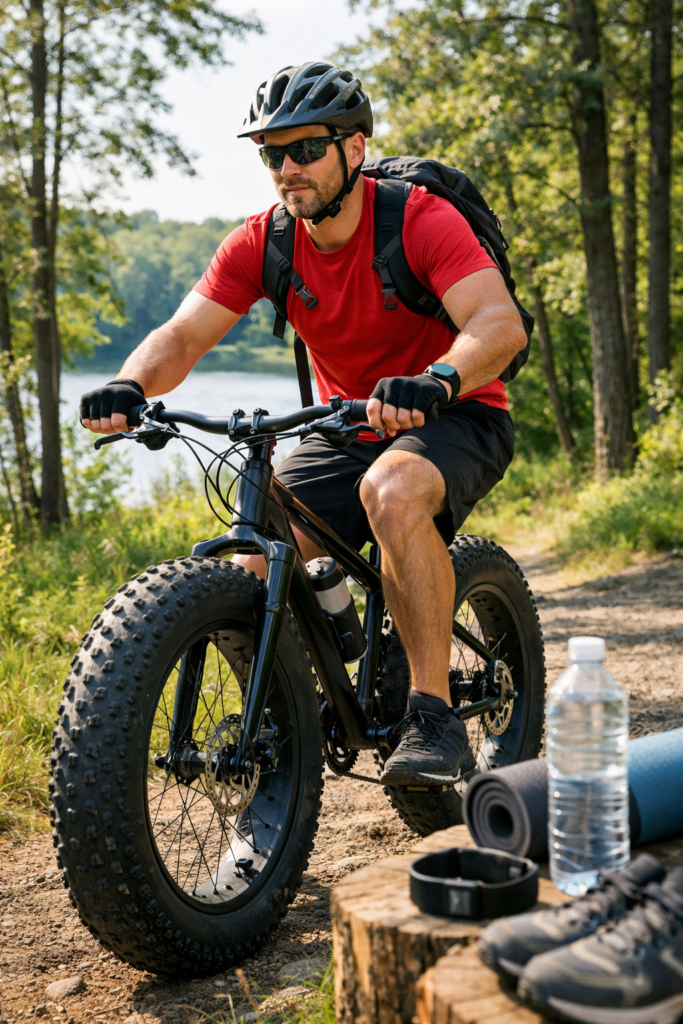
One of the coolest things about fat tire bikes is that you can ride them almost anywhere. This variety keeps exercise interesting and fun.
Snow and Ice
Fat tire bikes were originally designed for winter riding. The wide tires don’t sink into snow, so you can keep biking even when there’s snow on the ground. This means you don’t have to stop exercising just because it’s winter!
Sand and Beaches
Ever tried riding a regular bike on sand? It’s nearly impossible. But fat tire bikes glide right over sandy beaches and desert terrain. The wide tires spread out your weight so you don’t sink.
Mountain Trails and Dirt Paths
Fat bikes enhance stability on uneven surfaces, allowing you to cruise over ruts and bumps with ease on various terrains including gravel, dirt, and mud. This opens up tons of trails and paths that would be difficult on a regular bike.
City Streets
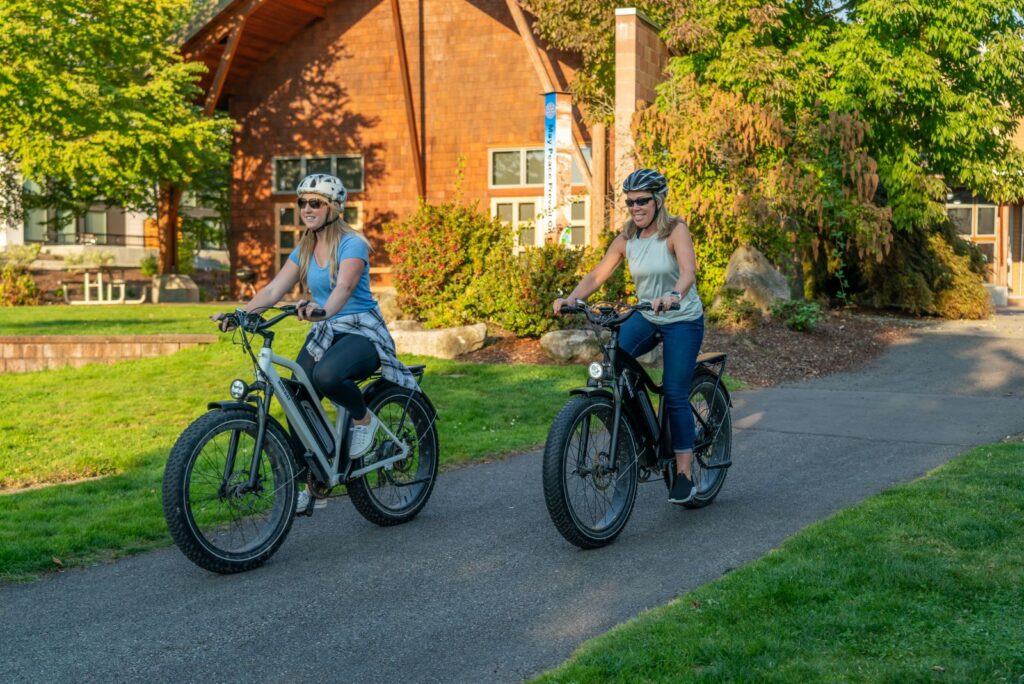
You don’t need mountains or beaches to enjoy a fat tire bike. Many people ride them in the city too. The fat tires handle potholes, cracks, and rough pavement really well, making city riding more comfortable.
How Fat Tire Bikes Compare to Regular Bikes for Exercise
You might be wondering how fat tire bikes stack up against regular bikes when it comes to working out. Let’s break it down.
The Good News
Fat tire bikes give you a tougher workout because of the extra resistance. You’ll burn more calories in the same amount of time compared to riding a regular bike on smooth pavement.
Fat biking provides power training for building muscular endurance, with more drag on tires requiring you to produce more wattage to turn the pedals. This built-in resistance means you’re constantly working hard, even when you’re not going uphill.
The Trade-Offs
There are some downsides to consider. Fat bikes don’t maintain speed as well as harder, more narrow mountain bike tires, so you have to pedal more, and when you stop pedaling, you slow down faster.
Fat tire bikes are also heavier than regular bikes. They typically weigh between 33 to 40 pounds, while regular mountain bikes weigh around 30 pounds. This extra weight can make the bike feel more difficult to move around, especially when you’re not riding it.
For long-distance riding on smooth roads, a regular road bike is probably faster and more efficient. But if you want a better workout or plan to ride on varied terrain, the fat tire bike wins.
Who Should Use Fat Tire Bikes for Exercise?
Fat tire bikes are great for many different people. Here’s who benefits most:
Beginners
Fat bikes are incredibly stable and forgiving, rolling over obstacles easily and allowing you to tackle technical terrain more easily than you could on a mountain bike. This makes them perfect if you’re new to biking or not super confident yet.
The wide tires won’t slide out from under you as easily, so you feel more secure while riding. This confidence helps beginners stick with exercise instead of giving up.
Seniors
If you’re looking for the best fat tire bike for seniors, you’ll love how stable these bikes feel. The extra stability and shock absorption make them comfortable and safe for older riders who want to stay active.
Women
There are specific models designed with women’s comfort in mind. Check out options in the best fat tire bike for women category to find bikes that fit properly and feel comfortable.
Bigger Riders
Weight is rarely a hurdle to bike riding, and fat tire bikes are excellent for heavy riders. The strong frames and wide tires support more weight safely. If you need a best fat tire bike for big guys, fat tire bikes are built to handle it.
Budget-Conscious Exercisers
You don’t need to spend a fortune to get started. There are quality options available in both the best fat tire bike under $500 and best fat tire bike under $1000 price ranges.
Adventure Seekers
If you love exploring new places and don’t want to be limited to bike paths, fat tire bikes open up a whole new world. You can ride through forests, along beaches, across fields, and even in snow.
Tips for Getting the Most Exercise from Your Fat Tire Bike
Want to maximize your workout? Here are some practical tips:
Start Slow and Build Up
If you’re new to fat tire bikes, take it easy at first. The resistance from the wide tires will tire you out faster than you expect. Start with shorter rides and gradually increase your distance and speed.
Mix Up Your Terrain
Don’t just stick to one type of surface. Ride on different terrains throughout the week. This challenges your muscles in different ways and keeps your workouts interesting.
Adjust Your Tire Pressure
Lower tire pressure gives you more grip and comfort but also more resistance (and a harder workout). Higher pressure makes pedaling easier but provides less traction. Experiment to find what works best for your fitness goals.
Use Proper Form
Keep your core engaged while riding. This helps with balance and gives your stomach muscles a better workout. Don’t slouch—sit up straight or lean forward slightly when climbing hills.
Track Your Progress
Pay attention to how far you ride and how long it takes. As you get fitter, you’ll notice you can ride longer distances without getting as tired.
Join Group Rides
Fat-tire biking often involves group rides or cycling communities, fostering social interactions that provide motivation and accountability. Riding with others makes exercise more fun and helps you stay committed.
Common Concerns About Fat Tire Bikes and Exercise
Let’s address some questions people often have:
“Will I Actually Stick with It?”
This is a valid concern with any exercise program. The good news is that fat tire bikes are really fun to ride. Riding outside is way more fun than slouching on a stationary bike at the gym, so you might find yourself more motivated to work out.
When exercise feels like an adventure instead of a chore, you’re much more likely to keep doing it.
“Are They Too Slow for a Good Workout?”
Don’t worry about speed. Remember, you’re burning more calories even when going slower because of the extra resistance. It’s the effort you put in that matters, not how fast you go.
“What About Bad Weather?”
Fat tire bikes handle rain and wet conditions better than regular bikes because of their excellent traction. In fact, the deep tread along with the increased width and size of the tires enables the bike to cut through wet terrain and maintain grip.
Of course, use common sense. Don’t ride in dangerous conditions like thunderstorms or icy roads where you might fall.
“Will the Weight Make It Too Hard?”
The extra weight does make fat tire bikes more challenging to pedal, especially uphill. But that’s actually good for exercise! The harder you work, the more calories you burn and the stronger you get.
If you’re concerned about the weight, consider an electric fat tire bike. The motor helps with the heavy lifting while you still get a great workout.
The Mental Health Benefits
Exercise isn’t just about your body—it’s great for your mind too. Fat tire biking offers unique mental health benefits:
You get to spend time outdoors in nature, which research shows reduces stress and improves mood. The focus required to navigate different terrains keeps your mind engaged and present, working like a form of meditation.
Plus, there’s a real sense of accomplishment when you conquer a challenging trail or ride farther than you’ve ridden before. This boosts confidence and makes you feel good about yourself.
Making Fat Tire Biking Part of Your Exercise Routine
Here’s how to incorporate fat tire biking into a balanced fitness plan:
How Often Should You Ride?
For general fitness and health benefits, aim for at least 2-3 rides per week. Each ride should last 30 minutes to an hour, depending on your fitness level and goals.
Combine with Other Activities
Fat tire biking works great alongside other exercises. You might ride 3 days a week and do strength training or yoga on other days. This variety helps your whole body stay strong and flexible.
Set Realistic Goals
Don’t expect to ride 20 miles on your first day. Start with achievable goals, like riding for 15 minutes without stopping. As you get stronger, gradually increase your distance and intensity.
Listen to Your Body
Some muscle soreness is normal when you start any new exercise. But if something hurts (not just feels tired), take a rest day. Recovery is an important part of getting fit.
What About Electric Fat Tire Bikes?
Electric fat tire bikes (or e-bikes) are becoming super popular. They have a motor that helps you pedal, making riding easier.
You might wonder if electric bikes still provide good exercise. The answer is yes! You can adjust how much help the motor gives you. Use less assistance when you want a harder workout, and turn up the help when you’re tired or facing a tough hill.
While wider tires make it more difficult to ride a fat tire bike on smooth ground, the electric motor provides pedal assist, making cycling easier, especially on difficult terrain.
Electric fat tire bikes are especially good if you’re getting back into exercise after a long break, have health issues, or just want the option to ride longer distances without getting exhausted.
Frequently Asked Questions On Are Fat Tire Bike Good For Exercise
How many calories do you burn on a fat tire bike?
You can burn 600-1,000 calories per hour on a fat tire bike, depending on factors like terrain, speed, and your body weight. The wider tires create more resistance, leading to higher calorie burn compared to regular bikes.
Are fat tire bikes harder to pedal than regular bikes?
Yes, fat tire bikes require more effort to pedal due to increased rolling resistance from the wider tires. However, this extra resistance provides a better workout and helps build strength and endurance faster.
Can beginners use fat tire bikes for exercise?
Fat tire bikes are excellent for beginners because they’re very stable and forgiving. The wide tires provide better balance and traction, making riders feel more confident and secure while learning.
Are fat tire bikes good for weight loss?
Yes, fat tire bikes are great for weight loss. The extra resistance and full-body workout help burn significant calories, and the fun factor makes it easier to stick with your exercise routine consistently.
Do you need special trails to ride a fat tire bike?
No, you can ride fat tire bikes almost anywhere, city streets, bike paths, beaches, snow, dirt trails, and mountain paths. They’re designed to handle all types of terrain, making them very versatile.
The Bottom Line
So, are fat tire bikes good for exercise? Absolutely! They provide an excellent full-body workout that burns lots of calories, builds strength, improves heart health, and is easy on your joints.
The best part is that fat tire bikes make exercise fun. You can explore new places, ride in different seasons, and enjoy the outdoors while getting fit. The variety keeps things interesting so you’ll want to keep riding week after week.
Whether you’re young or old, fit or just starting out, heavy or light, a fat tire bike can work for you. They’re stable, forgiving, and confidence-building. Plus, with options available at different price points, there’s likely a fat tire bike that fits your budget.
If you’re looking for a new way to exercise that doesn’t feel like traditional exercise, give fat tire biking a try. You might just find your new favorite way to stay active and healthy.