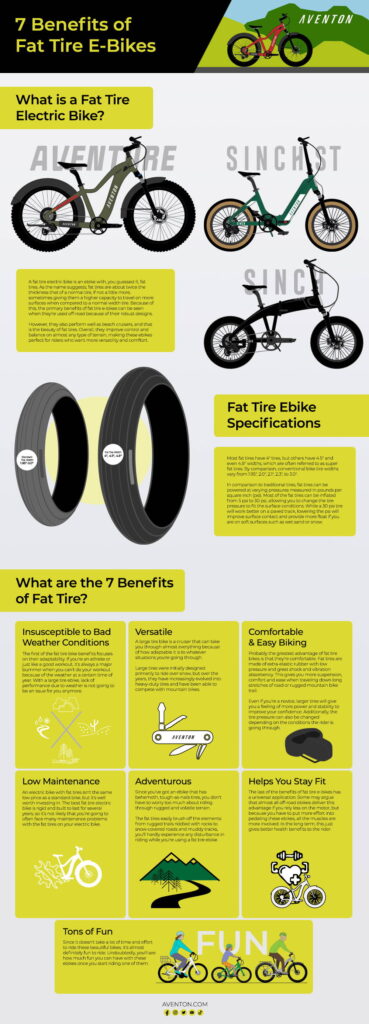
Have you ever seen a bicycle that looks like it has monster truck tires?
Those are fat tire bikes. They’re becoming super popular, and there’s a good reason why.
Let me walk you through everything you need to know about these cool bikes and why they might be perfect for you.
What Exactly Is a Fat Tire Bike?
Think of a regular bicycle tire. Now imagine making it two or three times wider. That’s a fat tire bike.
Regular bike tires are usually between 1 and 2.5 inches wide. Fat tire bikes have tires that measure between 3.8 and 5 inches wide. That’s a huge difference.
These bikes were first created back in the 1980s by adventurous cyclists in Alaska who needed something that could ride through deep snow. A pioneer named Steve Baker welded two bike rims together to create wider tires. Since then, these bikes have evolved into the amazing machines we see today.
In 2005, a company called Surly Bikes released the Pugsley, which was the first fat tire bike that regular people could buy in bike shops. Before that, you had to build your own. Now, lots of companies make them, and they’re available for everyone.
The Amazing Benefits of Fat Tires on a Bicycle
1. Ride on Any Surface You Want
This is the biggest reason people love fat tire bikes. You can ride them almost anywhere.
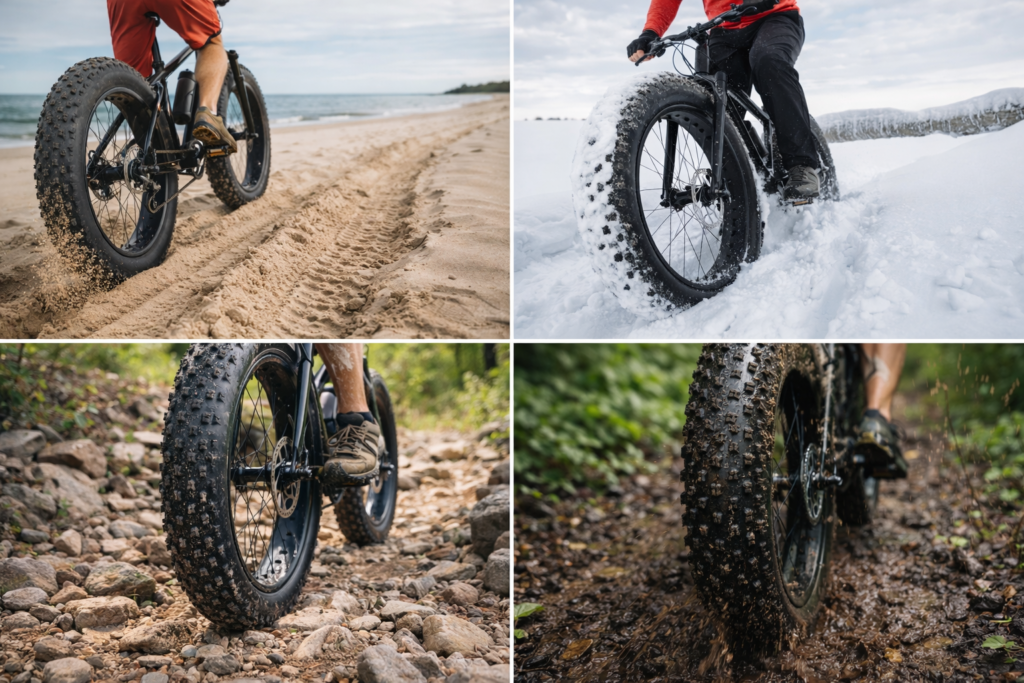
Regular bikes get stuck in sand. They slip around in snow. They sink in mud. But fat tire bikes? They just roll right through.
Here’s why this works. The wide tires spread your weight across a bigger area. It’s like wearing snowshoes instead of regular boots in deep snow. You don’t sink down because your weight is spread out.
You can ride on:
- Snowy trails in winter
- Sandy beaches
- Muddy forest paths
- Rocky mountain trails
- Regular streets and sidewalks
One cyclist described it perfectly when they said fat tires make you feel like you’re “floating” over surfaces where regular tires would get bogged down. That’s exactly what happens.
2. Super Stable and Easy to Control
Fat tire bikes are incredibly stable. That extra-wide tire gives you amazing balance and control.
If you’re new to biking, this is great news. The wider the tire, the harder it is to tip over. You feel steady and confident, even on bumpy or uneven ground.
The large contact area between the tire and the ground means better grip. When you turn, when you brake, when you ride over obstacles, your bike stays planted. You don’t feel like you’re going to slide out from under you.
Many beginners choose fat tire bikes because they feel safer and more secure. If you’ve been nervous about riding, a fat bike might give you the confidence you need.
3. Incredibly Comfortable Ride
Here’s something that surprises people. Fat tire bikes are super comfortable.
Those big tires act like natural shock absorbers. They cushion every bump, rock, and crack in the road. It’s like having built-in suspension.
Regular bikes need special suspension systems to smooth out rough terrain. Fat bikes don’t always need them because the tires do so much of the work themselves.
How does this work? The tires run at very low air pressure, usually between 5 and 15 PSI. Regular bike tires are pumped up to 40 to 65 PSI. That low pressure lets the tire squish and conform to whatever you’re riding over. It absorbs the impact instead of transferring it to your body.
People who ride fat bikes for long distances report way less back pain, wrist strain, and general soreness compared to riding regular bikes. Your body just doesn’t get beaten up as much.
4. Perfect for Heavier Riders and Carrying Cargo
Fat tire bikes are built tough. They can handle more weight than regular bikes.
The robust frames and wide tires distribute weight better. Many fat tire bikes can support riders over 300 pounds comfortably. Some models can carry up to 330 pounds of total weight, including cargo.
If you’re a bigger person, you know how frustrating it can be when regular bikes feel flimsy or unstable. Fat bikes solve this problem. They’re designed to handle serious weight without compromising performance.
Need to carry gear? Fat bikes are excellent for that too. Going hunting? Camping? Bike touring? Fat bikes can carry all your equipment without feeling unstable or sluggish.
5. Year-Round Riding No Matter the Weather
This might be my favorite benefit. Fat tire bikes let you ride all year long.
Winter doesn’t stop you. Snow? No problem. Ice? With studded tires, you’re good to go. While everyone else is stuck indoors on their boring exercise bikes, you can be out riding real trails.
Spring brings mud and slush. Regular bikes struggle. Fat bikes handle it easily.
Summer means beach rides, trail adventures, and exploring. Your fat bike does it all.
Fall comes with wet leaves and unpredictable conditions. Again, your fat bike keeps rolling.
You’re basically getting four bikes in one. That’s real value. If you only want one bike that can handle everything, fat tire bikes are your answer. For more options on finding the right fat tire bike, check out the best fat tire bikes under $500 or explore top choices under $1000.
6. Tackles Hills and Rough Terrain Like a Champ
Fat tire bikes are surprisingly good at climbing hills and handling technical terrain.
You might think those big tires would make climbing harder. Actually, the opposite is true. The extra traction means you can climb steep hills without your back tire spinning out.
On regular bikes, loose gravel or dirt can cause your tire to slip when you’re climbing. Your fat tire grips the surface and pulls you up. You maintain momentum better.
Going downhill? Fat tires give you incredible control. You can brake confidently without worrying about sliding. You can steer around obstacles with precision. The stability makes technical descents much less scary.
7. Great Exercise and Calorie Burning
Want to get in shape? Fat tire bikes provide an excellent workout.
Studies show you can burn up to 1,000 calories per hour riding a fat bike on challenging terrain. That’s a serious workout.
The wider tires create more rolling resistance than skinny tires. This means your muscles work harder to keep you moving. It’s like built-in resistance training.
Don’t worry though. Electric fat tire bikes exist if you want assistance. You still get exercise, but the motor helps when you need it. This makes fat biking accessible to more people, including seniors who want to stay active. You can find specialized models in guides like best fat tire bikes for seniors.
8. Opens Up New Adventures
Fat tire bikes take you places regular bikes simply cannot go.
Want to explore that remote beach? Do it. Curious about what’s down that snowy forest trail? Find out. See an interesting path that looks too rough for a normal bike? Not anymore.
These bikes expand your possibilities. You’re not limited to paved bike paths and smooth trails. The whole outdoors becomes your playground.
Many cyclists say that buying a fat bike rekindled their love for cycling. It made riding feel adventurous and fun again instead of routine.
How Fat Tires Actually Work: The Science Made Simple
Let’s talk about why fat tires work so well. The science is actually pretty straightforward.
It all comes down to something called contact patch. That’s the area where your tire touches the ground at any moment.
A regular 2-inch bike tire might have a contact patch the size of a small rectangle. A 4.5-inch fat tire has a contact patch three or four times bigger. More tire touching the ground means:
Better weight distribution: Your weight spreads across a larger area, so you don’t sink into soft surfaces.
More grip: More rubber on the ground means more friction and traction.
Natural suspension: The low air pressure and large tire volume allow the tire to deform and absorb impacts.
Flotation: Like a boat on water, the wide tire “floats” on soft surfaces instead of cutting through them.
Think of it this way. Walking on deep snow with regular shoes means you sink. Walking with snowshoes means you stay on top. Fat tires are like snowshoes for your bike.
Understanding Fat Tire Bike Specifications
When you’re looking at fat tire bikes, here’s what you need to know.
Tire Width: Most fat bikes have tires between 3.8 and 5 inches wide. Some riders prefer 4.8-inch tires as the sweet spot. This size works well in most conditions without being too heavy.
Rim Width: Fat bike rims are 2.6 inches or wider. This accommodates the fat tire and provides stability.
Tire Pressure: Fat tires run at 5 to 15 PSI. Lower pressure for soft surfaces like snow or sand, higher pressure for harder surfaces. You adjust based on conditions and your weight.
Frame Design: Fat bike frames are specially built with wider fork spacing and rear triangle spacing to fit the big tires. You cannot just put fat tires on a regular bike frame.
Weight: Fat bikes are heavier than regular bikes. The frame is more robust, and the tires add weight. Electric fat bikes typically weigh 70 to 90 pounds including the battery. This extra weight is what makes them so durable.
Who Should Consider a Fat Tire Bike?
Fat tire bikes are great for lots of different people. Here’s who benefits most.
Beginners: The stability and control make learning to ride less intimidating. You build confidence faster.
Winter cyclists: If you want to keep riding when snow falls, fat bikes are basically your only good option.
Beach lovers: Sand riding is incredibly fun, and fat bikes make it possible.
Heavier riders: Fat bikes are built to support more weight comfortably and safely. Whether you’re a bigger guy looking for durability (best fat tire bikes for big guys) or anyone else, these bikes deliver.
Adventure seekers: If you love exploring new trails and going off the beaten path, fat bikes open up possibilities.
Hunters and outdoor workers: You can carry gear across tough terrain quietly and efficiently.
Bike commuters in rough-weather cities: If your city has terrible roads, lots of potholes, or harsh winters, fat bikes handle it all.
People with balance concerns: The extra stability helps people who are nervous about tipping over.
Women cyclists: Many companies now make fat tire bikes specifically designed for women’s body proportions and riding styles, offering better fit and comfort. Check out options in the best fat tire bikes for women category.
Things to Consider: The Trade-offs
Fat tire bikes are awesome, but they’re not perfect for everyone. Here are some honest considerations.
They’re heavier: The robust frame and big tires add weight. This makes them harder to carry upstairs or load onto a car rack. Electric versions are especially heavy.
Slower on smooth pavement: If you’re riding on perfectly smooth roads, regular road bike tires are faster. Fat tires have more rolling resistance, which slows you down on pavement.
Higher initial cost: Quality fat bikes typically cost more than comparable regular bikes. The specialized components cost more to manufacture.
Tire replacement costs more: When you need new tires, fat bike tires are more expensive than regular tires. They use more material.
Less maneuverable in tight spaces: The wider handlebars and longer wheelbase make quick, tight turns more challenging than on a nimble road bike.
Takes more effort on flat, smooth surfaces: That rolling resistance means you work harder to maintain speed on easy terrain.
For most people though, these trade-offs are worth it for the versatility and capability you gain.
Electric Fat Tire Bikes: The Best of Both Worlds
Let’s talk about electric fat tire bikes because they’re becoming incredibly popular.
An electric fat tire bike combines the benefits of fat tires with pedal-assist electric motors. This means:
You get help climbing hills. The motor assists when you pedal, making steep climbs much easier.
You can ride longer distances. The motor extends your range, so you can explore farther without exhaustion.
You arrive less sweaty. Great for bike commuters who don’t want to arrive at work drenched.
You can handle the extra weight better. Since electric fat bikes are heavier, the motor compensates when you need it.
Older riders and people with physical limitations can enjoy fat biking. The electric assist makes it accessible to people who couldn’t manage the workout otherwise.
Most electric fat tire bikes offer different assist levels. You choose how much help you want. Want a workout? Use low assist. Tired or facing a tough hill? Crank up the assist.
Battery range typically varies from 25 to 75 miles depending on the model, battery capacity, terrain, assist level, and rider weight. Planning longer adventures? Look for bikes with larger battery capacity.
Maintenance Tips for Fat Tire Bikes
Fat tire bikes are pretty low-maintenance, but here’s what you need to know.
Check tire pressure regularly: Because you run low pressure, small leaks are more noticeable. Check before each ride.
Clean your bike after muddy or snowy rides: Dirt and salt can damage components. A quick rinse helps.
Lubricate your chain: This is important for all bikes, but especially after riding in wet or dusty conditions.
Inspect your tires for damage: Fat tires are tough, but sharp objects can still puncture them. Check for cuts or embedded debris.
Store properly in winter: If you live somewhere very cold, bring your bike inside or at least into a garage. Extreme cold can affect battery life on electric models.
Keep your electric battery healthy: If you have an e-bike, don’t let the battery fully discharge often. Store it at about 50% charge if you won’t ride for a while.
Most bike shops can service fat bikes just like regular bikes. The components are similar; they’re just sized for the bigger tires.
Frequently Asked Questions For What Is The Benefits Of Fat Tires On A Bicycle
Can you ride fat tire bikes on regular roads?
Yes, absolutely. Fat tire bikes work perfectly fine on regular paved roads and bike paths. They’re just a bit slower than road bikes because of the extra rolling resistance. But they’re more comfortable and handle potholes better.
Are fat tire bikes harder to pedal?
On smooth, flat surfaces, yes, they require a bit more effort because of rolling resistance. But on rough terrain, loose surfaces, or hills, they’re often easier because of the superior traction. Electric fat bikes eliminate this concern with pedal assist.
How much do fat tire bikes cost?
Entry-level fat bikes start around $250 to $500. Mid-range models run $1,000 to $2,000. High-end models can cost $3,000 to $5,000 or more. Electric fat bikes typically range from $1,000 to $4,000. You get what you pay for in terms of component quality and durability.
Can you put fat tires on a regular bike?
No, unfortunately not. Fat tires require specialized frames with wider spacing at the fork and rear triangle. Regular bike frames don’t have room for fat tires. You need a bike specifically designed for them.
Are fat tire bikes good for losing weight?
Yes, they’re excellent for fitness and weight loss. You can burn up to 1,000 calories per hour on challenging terrain. The workout is effective because the wider tires create resistance, and riding on varied terrain engages more muscles than smooth pavement riding.
Final Thoughts: Are Fat Tire Bikes Worth It?
Fat tire bikes offer incredible versatility, comfort, and capability that regular bikes simply cannot match.
If you want a bike that handles multiple terrains, works in all seasons, provides a stable and comfortable ride, and opens up new adventures, fat bikes are absolutely worth considering.
They’re not for everyone. If you only ride smooth pavement and want maximum speed, a road bike makes more sense. But for the vast majority of recreational cyclists, commuters in tough conditions, and adventure seekers, fat tire bikes deliver amazing value.
The best part? You’re not limited anymore. Snow day? Ride. Beach vacation? Bring your bike. Muddy spring trails? No problem. One bike handles it all.
That freedom and versatility is what makes fat tire bikes special. They don’t just expand what you can do on a bike. They expand where you can go and when you can ride. That’s the real benefit of fat tires on a bicycle.